Proposed Changes to E.U. Combustion Engine Law
A recent proposal to amend the European Union’s legislation aimed at banning the production of combustion engines by 2035 is stirring debate among automakers and environmental advocates alike. While this revision could provide much-needed relief to car manufacturers, it poses significant challenges to the region’s climate objectives.
Impact on Automakers
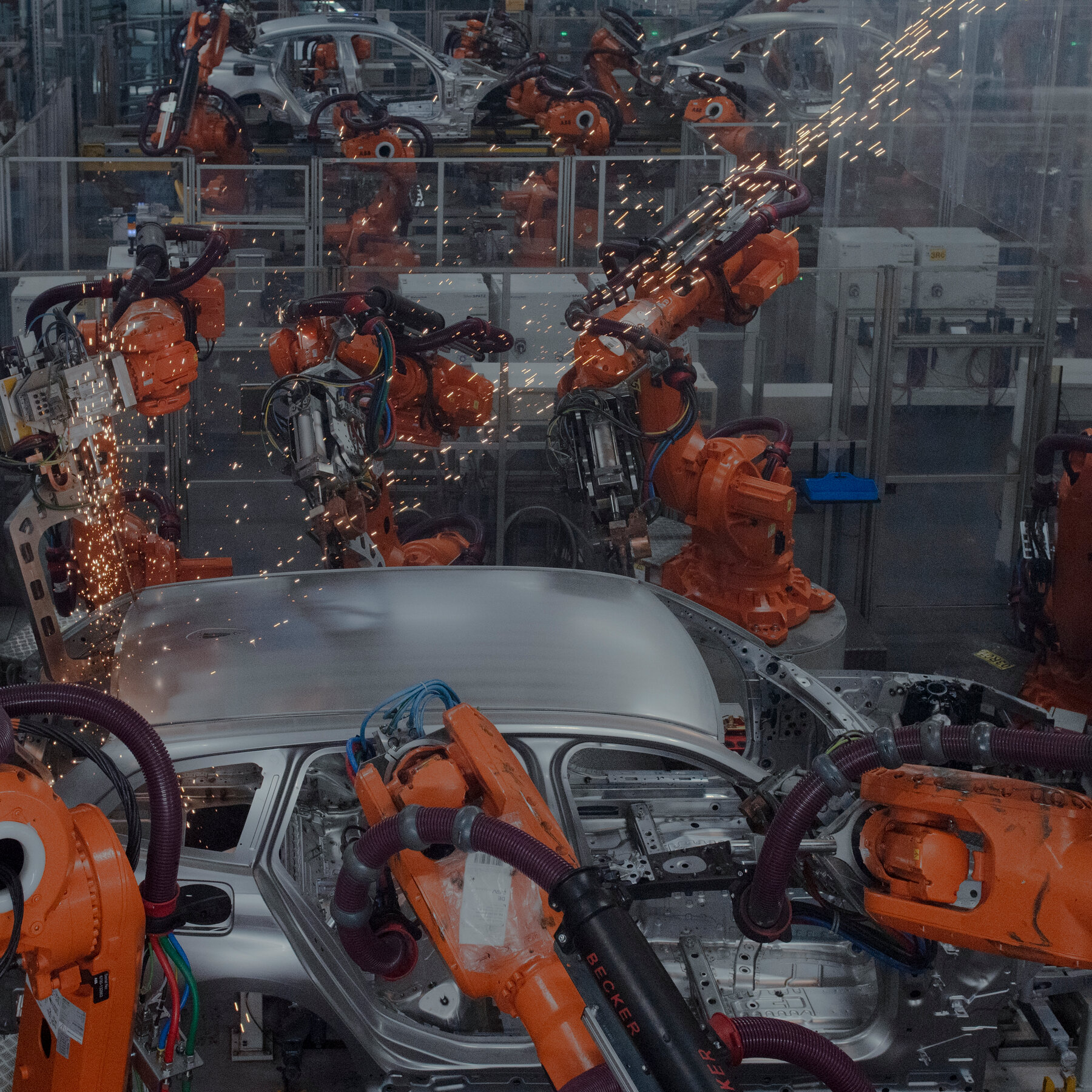
The proposed changes are seen as a response to the challenges faced by automakers in transitioning to electric vehicles. The industry has been navigating various obstacles, including supply chain disruptions and the need for substantial investments in new technologies. By extending the timeline for phasing out combustion engines, manufacturers may find it easier to adapt to the evolving market demands.
Consequences for Climate Goals
However, this shift raises concerns among environmentalists who argue that delaying the ban undermines the E.U.’s commitment to reducing greenhouse gas emissions. The initial goal was to facilitate a significant reduction in carbon footprints, and any delays could hinder progress toward a sustainable future.
Public Sentiment and Future Steps
As discussions continue, public sentiment remains divided. Some consumers are eager to see a faster transition to electric vehicles, while others are concerned about the practicality of such a shift. Key stakeholders are urged to consider the long-term effects of these changes on both the automotive industry and the environment.
For more information about the ongoing developments in this area, you can visit michipro.net.